


Minerals & Metals Test
Discover Electrolyte & Mineral Imbalances & Heavy Metal Toxicities
- Test Type: Hair
- 30-Minute Health Coaching Call Included

Feeling stressed, tired, anxious, or overwhelmed is a common reason people take this test; it could be a sign the nervous system is strained. Minerals include electrolytes, which provide the energy you need to get through the day, as well as buffer the effects of stress. The Mineral & Metals Test takes a comprehensive look at adrenal function, the body's stress support system, as well as toxic metal exposure. If mineral reserves are low, electrolytes imbalanced, or if there has been exposure to high levels of toxic metals, the body cannot deal with stress effectively and may experience a range of health challenges.


What’s Measured
- Minerals & Electrolytes: Calcium, Magnesium, Sodium, Potassium, Copper, Manganese, Zinc, Chromium, Selenium, Phosphorus, Iron Essential minerals — those necessary for human health are classified into two equally important groups: major minerals and trace minerals. The major minerals, which are used and stored in large quantities in the body, are calcium, chloride, magnesium, phosphorus, potassium, sodium, and sulfur. The trace minerals are just as vital to our health as the major minerals, but we don't need large amounts.
- Minerals in this category include chromium, copper, fluoride, iodine, iron, manganese, molybdenum, selenium, and zinc. We don't manufacture essential minerals in the body, and we get them from our diet. The minerals come from rocks, soil, and water, and they're absorbed as the plants grow or by animals as the animals eat the plants. When you eat a healthy diet that includes a variety of vegetables, beans, fruits, whole grains, lean protein, and unsaturated fats (like olive oil), you're likely consuming all the healthy minerals you need. Essential minerals (metals are also one type of mineral): Copper (Cu): Assists with metabolizing fuel, making red blood cells, regulating neurotransmitters, and mopping up free radicals.
- Manganese (Mn): Helps form bones and helps metabolize amino acids, cholesterol, and carbohydrates. Zinc (Zn): Helps blood clot, helps make proteins and DNA, bolsters the immune system, and helps with wound healing and cell division. Key for energy levels and overall improves our mood and well-being due to its function in regulating enzymes and hormones in our body and protecting our immune system. Chromium (Cr): Helps maintain normal blood sugar levels and helps cells draw energy from blood sugar. Elevation can indicate loss of chromium from iron toxicity or another mineral imbalance. Supplementation can help with fatigue and sugar/carbohydrate intolerance.
- Selenium (Se): Helps maintain the circulatory system, digestive organs, and reproductive system. It is also involved with heavy metal detoxification and is essential for thyroid function. Phosphorus (P): Plays a role in bone structure and energy levels. High levels can indicate excessive protein breakdown of body tissues while low levels can indicate inadequate protein synthesis, low zinc, cadmium toxicity, or enzyme deficiency.
- Iron (Fe): Helps make hemoglobin (the oxygen-carrying chemical in the body's red blood cells) and myoglobin (a protein in muscle cells). Iron is essential for activating certain enzymes and for making amino acids, collagen, neurotransmitters, and hormones. Deficiency in iron leads to anemia, which can leave a constant feeling of fatigue/weakness. Looked at more for toxicity not deficiency in a hair test. Minerals and also electrolytes tested: Calcium (Ca): Builds bones and teeth; activates enzymes throughout the body; helps regulate blood pressure; and helps muscles to contract, nerves to send messages, and blood to clot.
- Deficiency is common in older adults, especially in women. A lack of calcium in the body increases the risk for brittle bones and fractures. Magnesium (Mg): Like calcium, builds bones and teeth. It also helps to regulate blood pressure and blood sugar and enables muscles to contract, nerves to send messages, blood to clot, and enzymes to work. Magnesium's role in our body is to produce and maintain ATP (Adenosine Triphosphate Magnesium) molecule which provides energy to all our basic bodily processes such as making enzymes to process and transporting other nutrients. Deficiency will slow these processes down as well as cause nausea, loss of appetite, and potential digestive upset. Sodium (Na): Balances fluids in the body, helps send nerve impulses, and helps make muscles contract.
- Potassium: Balances fluids in the body, helps to maintain a steady heartbeat and to make muscles contract, and may benefit bones and blood pressure. Electrolyte Balance: Calcium + Magnesium: Indicate how much stress the body is under (can be from past traumas, emotional stress, work stress, pathogens/yeast/mycotoxins, blood sugar imbalances). Sodium + Potassium: Intimately linked to adrenal gland function, and the balance between aldosterone (mineralocorticoid) and cortisone (glucocorticoid) secretion; an indicator of how well our body is responding to stress in our life. Toxic Heavy Metals: Lead, Mercury, Cadmium, Arsenic, and Aluminum
- Our health and wellbeing may be challenged by mineral imbalances and toxic metal excesses, aggravating conditions including cardiovascular disease, high cholesterol, high blood pressure, migraines, learning difficulties, and hyperactivity in children. Toxic metals can impair thyroid function and can prevent calcium from getting into bone, brain fog, and skin rashes. Heavy Metal Toxins Tested: Lead (Pb): Toxic heavy metal found in paint, auto exhaust, batteries and battery manufacturing, cigarette/tobacco smoke, coal and oil combustion.
- Mercury (Hg): Found in toxic personal care and beauty products, fish, contact lens solution, fabric softeners, tattooing, tooth amalgams, disinfectants. Cadmium (Cd): Toxic heavy metal found in cigarettes (including e-cigarettes), contaminated soil, coal production. Arsenic (As): Toxic heavy metal found in rice, water, conventionally raised chickens, seaweed, shellfish. Aluminum (Al): Toxic heavy metal found in water, the air, pots, baking sheets, air fryers, teas, antiperspirant deodorant, dry shampoo, processed cheese, baking powder. Important Mineral Ratios: Individual levels need to be optimal as well as in the correct ratio. Help determine carbohydrate metabolism, thyroid function, levels of inflammation, adrenal reserves, copper toxicity, tissue breakdown, and calcium shell.
- Ca/Mg Ca/K Na/K Zn/Cu Ca/P Additional Minerals: Nickel, Cobalt, Molybdenum and Lithium Nickel (Ni): Most absorbed nickel is of dietary origin from hydrogenated oils, cocoa and chocolate. Batteries (nickel-cadmium), non-precious dental materials, costume jewelry, and nickel-plated hardware are other sources that may be of concern in nickel dermatitis. Smoke, cigarette smoking, and food are major sources of nickel exposure. Cobalt (Co): Part of the vitamin B12 molecule and is necessary for B12 activity and function.
- Cobalt, which is mainly stored in the liver, activates numerous enzymes and is excreted in bile. High levels increase the toxic effect of selenium and suppress iron absorption. Elevated cobalt on a hair test is a sensitive indicator of selenium deficiency. Molybdenum (Mo): An essential trace element that is an activator of specific enzymes. Deficiency has been linked to gout. Low levels in heavy meat eaters reflect digestive disorder, the need for digestive enzymes and dietary changes.
- Lithium (Li): This trace element is required to modulate nerve transmission throughout the central nervous system. It generally has a calming effect. Lithium deficiency is very common and underrecognized. Oxidation Rate: Metabolism Measure: Mixed, slow, or fast oxidizer using the Ca/K (thyroid) and Na/Mg (adrenal) ratio Analysis of mineral status and ratios found in hair can reveal the general rate of metabolic function.
- The metabolism of carbohydrates, proteins, and fats into energy is referred to as oxidation. This is the rate at which nutrients are converted to energy within all of your body's cells. If oxidation occurs too slowly or too fast, energy production is impaired. Your oxidation rate is influenced by both your genetics and diet. Therefore, what you eat affects your rate of oxidation and energy production, which in turn affects your mental, emotional, behavioral, and in most cases, physical health. Determining if you are a fast or slow oxidizer can help you alter your lifestyle, most particularly your diet, to support your metabolism.
- If we are eating food that does not burn efficiently based on the needs of our body, we will not function optimally, and this can lead to not only physical but also mental health challenges. People can be divided into three general body types: Fast oxidizers: Rapidly convert food into energy. In order to balance their body, fast oxidizers need to eat heavier proteins and fats that burn more slowly than carbohydrates. Blood pH tends toward a little more acid.
- Slow oxidizers: Convert food into energy at a slower rate, and require higher amounts of carbohydrates rather than proteins and fats. Slow oxidizers can be more susceptible to fatigue due to the reduced activity of their adrenal and thyroid glands. Blood pH tends to be more alkaline and do better on more plant-based foods and lean animal proteins. Mixed (balanced): individuals who do well with a mix of carbohydrates, proteins, and fats.
Who Is It For
- Adults who want an objective look at their essential mineral levels, electrolyte balance and toxic metal exposure.
- Anyone whose food, water, air, medicines or personal care products may expose them to heavy metals such as lead, mercury, cadmium, arsenic or aluminum.
- People focused on stress, energy, sleep and mood wellness as part of a functional medicine plan.
- Clients working with an EquiLife health coach or Integrative Health Practitioner who want a baseline and a point to retest from.
- Customers in the United States (except New York and Washington), Australia, Canada, New Zealand and the United Kingdom.
How To Use
- Purchase & Register: After you check out with your at-home lab, it will arrive promptly at your door. Follow the easy instructions included for registering your test before you send in your sample(s).
- Collect & Return: Each at-home lab comes with detailed instructions for collecting your test sample(s) and returning them to one of our CLIA-certified lab testing facilities.
- Results & Review: Once your samples have been processed, you will receive an invitation through EquiLife's health portal to schedule your one-on-one health coaching call to review your results in depth.
What’s In The Box
- Minerals & Metals Test collection kit with step-by-step instructions
- Hair sample envelope and collection instructions
- Registration instructions (QR code) for the EquiLife health portal
- Return packaging for the CLIA-certified laboratory
- A 30-minute one-on-one health coaching call, scheduled after your results arrive
What To Expect
- How will I receive my results? Once you receive your at-home lab test, please follow the instructions provided to register your test. Once your sample(s) are sent to one of our CLIA-certified labs, it will take approximately 3 weeks for your results to be returned, during which time you will receive information on how to schedule your one-on-one health coaching call.
- Do at-home lab tests expire? All at-home lab tests expire 6 months from their purchase date. To ensure you will receive your results, please be sure to send all samples for completed lab tests prior to the 6-month expiration date. Unfortunately, there can be no returns or replacement lab tests sent after the 6-month time frame. Please remember to register your labs prior to sending your sample to the laboratory.
- What if I have additional questions? We have compiled thorough FAQs for our at-home lab tests, which you can browse here: https://faq.equi.life/en-US/articles/lab-kit-faq-14490. For additional questions, you can contact us at support@equi.life.
Additional Suggested Labs


The EquiLife Advantage


Why people take this test:
Insight Into Minerals, Metals and Stress
- Stress
- Energy
- Sleep
- Headaches
- Skin Rashes
- Tingling or Numbness
Benefits
What Does This Test Measure
- Electrolyte Minerals
- Nutrient Minerals
- Toxic Metals
- Additional Minerals
- Mineral Ratios
- Oxidizing Status

Benefits
At-Home Lab Benefits


Easy as 1, 2, 3
How Does It Work?
-
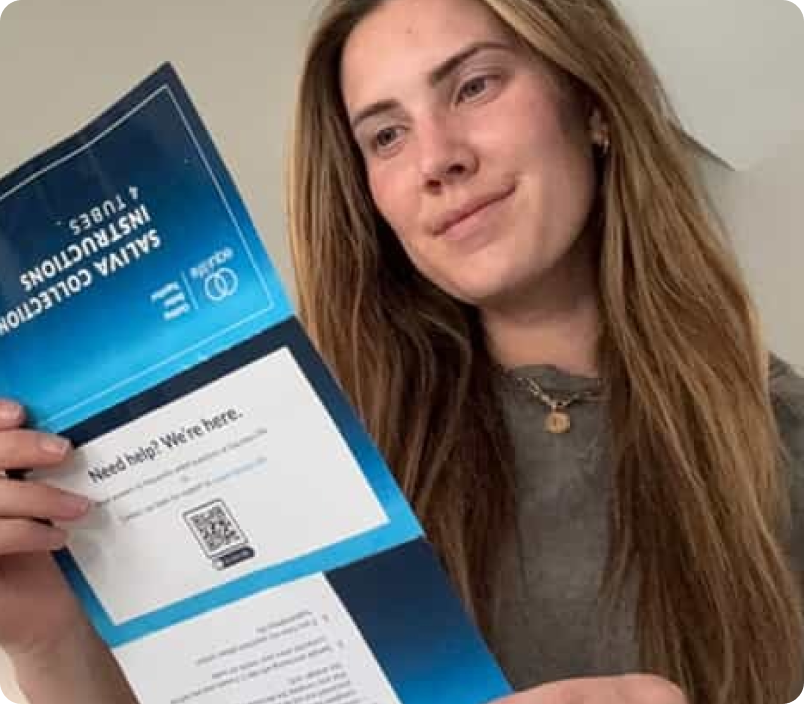
Register, Collect Your Sample & Return all from the comfort of your home
Each at-home lab comes with detailed instructions for registering your test, collecting your test sample(s) and returning them to one of our CLIA certified lab testing facilities.
-

Comprehensive In-depth Results Delivered to you Digitally
EquiLife labs are designed to provide detailed and thorough information so that you can understand your health at the deepest level, allowing you to finally get to the root cause of your biggest health concerns.
-

One-on-one call with a certified Health Coach who will review your results with you in-depth
To ensure you feel confident about your lab findings, EquiLife provides a complimentary, one-on-one call with a certified Health Coach who will review your results with you in-depth and answer questions. Health Coaches will provide recommendations to help you achieve your goals.


Your health is personal
Support When You Need It
Our EquiLife® Health Coaching Team is Dedicated to Helping You. We are here to help you discover the real reason why you haven’t been able to get well, improve digestion, lose weight, reverse the aging process, rebalance your hormones, or any other health issue.
- Test at homeOrder a functional lab panel, collect your sample, and mail it back in the prepaid kit.
- Understand resultsGet practitioner-reviewed results that show what your body actually needs.
- Follow a protocolA targeted plan of practitioner-formulated supplements built around your results.
- Maintain resultsStay on track with coaching and Subscribe & Save so your foundation never lapses.
Beyond the test
Every EquiLife Lab Includes:
In-Depth Insight Into Your Health
EquiLife labs are designed to provide detailed and thorough information so that you can understand your health at the deepest level, allowing you to finally get to the root cause of your biggest health concerns.
A 30-Minute 1:1 Session With One Of Our World-Class Health Coaches
To ensure you feel confident about your lab findings, EquiLife provides a complimentary, one-on-one call with a certified Health Coach who will review your results with you in-depth and answer any questions you have.
An Actionable Personalized Plan, Designed Just For You
Testing takes the guesswork out of your health and empowers you to make informed choices about your health. After reviewing your results, Health Coaches will provide recommendations to help you achieve your goals.

By The Numbers
High Standards Meet Proven Results
Scientific Citations
supporting the ingredients and formulations used across EquiLife nutritional supplements.
Lab Tests
& 1-on-1 appointments helping people uncover personalized insights into their health.
Customer Orders
Fulfilled globally across EquiLife labs, protocols, and nutritional supplements.
Clinical Experience
behind the health mission, data, protocols & products that shape EquiLife & our customer results.

Board Certified Doctor of Naturopathy
Created By Dr. Stephen Cabral

Getting Better Together.
“EquiLife goes beyond lab testing, protocols, and formulas. It's my life's work, built on combining ancient wisdom with modern science. Every formula is one I would use, and do use, with my own family.”
Dr. Stephen Cabral EquiLife Founder


The Money Back Guarantee
If you don’t love your EquiLife product, send it back for a full refund — if not yet registered or used.
If You Have Questions, We Have Answers.
Frequently Asked Questions
What does the Minerals & Metals Test measure?
It measures 28 markers from a hair sample: electrolyte minerals, nutrient minerals, toxic metals (lead, mercury, cadmium, arsenic and aluminum), additional minerals, key mineral ratios and your oxidation rate.
How do I collect my sample?
With a small hair sample cut at home. Follow the included instructions for taking the sample, and return it to our CLIA-certified laboratory in the packaging provided.
How long do results take?
Approximately three weeks after the laboratory receives your sample. Your results are delivered through EquiLife's health portal with an invitation to schedule your 30-minute one-on-one health coaching call.
Is this a diagnostic test?
No. EquiLife labs are functional wellness tests processed at CLIA-certified laboratories. They give you and your health coach information about your current status and are not intended to diagnose, treat, cure or prevent any disease. Please share your results with your healthcare provider for any medical questions.
Can I use my HSA or FSA?
The Minerals & Metals Test is HSA and FSA eligible. Eligibility is determined by your plan administrator, so please check your plan's requirements.
Where can this test be shipped?
Within the United States except New York and Washington, and to Australia, Canada, New Zealand and the United Kingdom. Select your shipping destination at checkout.
